
Learn Programmatic Advertising from Basics to Practical Campaign Execution
Learn how programmatic advertising works and build practical knowledge of digital media buying, DSPs, SSPs, ad exchanges, real-time bidding (RTB), audience targeting, campaign planning, measurement and optimization.
Read More
Understand how advertisers use advertising technology to plan, launch and optimize digital campaigns through structured learning and practical examples.
This structured course takes you from programmatic advertising fundamentals to practical campaign planning and execution. Inside the course you will learn:
- The complete programmatic advertising ecosystem
- DSPs, SSPs and ad exchanges
- Real-time bidding and programmatic buying
- Audience targeting and campaign planning
- Campaign execution and optimization
- Measurement and performance analysis
- Detailed course structure and learning outcomes across 14 modules
- ⏱️ 45+ Hours of Training
- 📚 14+ Modules
- 💼 Job-Oriented Learning
- 🎯 Practical Training
94%
Learner Success Rate
500+
Students Trained
1:1
Mentorship Support
10+
Successful Batches
See our testimonials — Click here
Not Sure Where to Start?
We’ll guide you to the right learning path.
By submitting, you agree to our Privacy Policy.
⭐ Job-Focused
Practical training
👥 Career Support
CV & interview help
Global network
Where Our Alumni Work








Learn Programmatic Advertising From Fundamentals to Practical Media Buying
Read More
Programmatic advertising has changed how digital ads are planned, bought and optimized. Instead of manual media buying, it uses technology, data and automated bidding to buy the right ad opportunities. In this programmatic advertising course, you will learn how the modern ad-tech ecosystem works and how its parts fit together.
You will learn about:
- Programmatic advertising
- Programmatic media buying
- DSPs and SSPs
- Ad exchanges
- Real-time bidding (RTB)
- Programmatic buying methods
- Audience targeting
- Digital advertising inventory
- Programmatic campaigns
- Campaign measurement
- Optimization
- Programmatic advertising platforms
The goal is to help you understand how programmatic advertising works as a complete media-buying process, rather than learning individual terms in isolation.
What Is Programmatic Advertising?
Programmatic advertising is the technology-driven process of buying and selling digital advertising inventory through automated systems, data and bidding technologies.
It connects advertisers, agencies, publishers and advertising technology platforms to facilitate digital media buying across eligible advertising environments.
A simplified programmatic advertising process can be represented as:
- Advertiser
- Buying Platform
- Marketplace / Auction
- Selling Platform
- Publisher
- Audience
Depending on the campaign and platform, programmatic advertising can involve:
- Audience targeting
- Inventory selection
- Automated bidding
- Budget management
- Creative delivery
- Frequency management
- Campaign measurement
- Performance optimization
Programmatic advertising can be used across different digital environments, including display, video, mobile, in-app, audio and connected-TV inventory where supported.
This course breaks down the programmatic advertising process step by step, starting with the ecosystem and fundamentals before moving into media buying, campaign planning, measurement and optimization.
💡
Why Learn Programmatic Advertising?
Programmatic advertising brings together media buying, data, technology and campaign optimization, the skills modern digital media teams rely on.
- Programmatic knowledge: Learn the key terms, tools and processes.
- Modern media buying: Plan audiences, inventory, budgets and objectives.
- AdTech ecosystem: Understand DSPs, SSPs, ad exchanges and publishers.
- Campaign skills: Plan, launch, monitor and optimize campaigns.
- Data & targeting: Use audience, contextual, location and device signals.
- Measurement & optimization: Read campaign metrics and make better decisions.
Programmatic Advertising Career Opportunities & Salary Growth
Explore career paths across media agencies, ad-tech companies, publishers and brands, from entry-level roles to specialist and leadership positions.
Market Demand & Salary Trends
Entry-Level ₹4–6 LPA
Mid-Level ₹6–10 LPA
Senior Specialist / Trader ₹10–16 LPA
Programmatic Lead / Manager ₹16–25 LPA
Programmatic Advertising Specialist
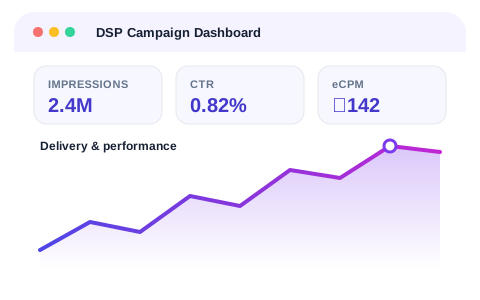
Plans and runs automated campaigns in DSPs such as DV360, manages audience targeting, bidding and inventory, and optimizes delivery and performance.
Market Demand & Salary Trends
Entry-Level ₹3.5–5 LPA
Mid-Level ₹5–8 LPA
Senior Media Buyer ₹8–14 LPA
Media Buying Manager ₹14–22 LPA
Media Buyer
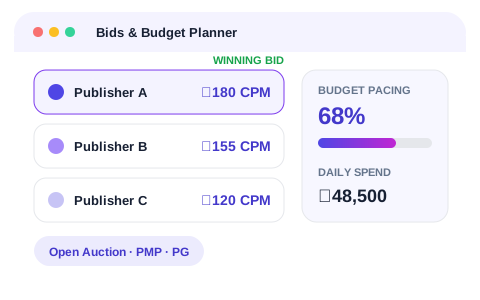
Buys ad inventory across open auction and private deals, optimizes bids, scales campaigns and manages advertising budgets and pacing.
Market Demand & Salary Trends
Junior Manager ₹6–9 LPA
Mid-Level Manager ₹9–15 LPA
Senior Manager ₹15–24 LPA
Head of Performance Marketing ₹25–40 LPA
Performance Marketing Manager
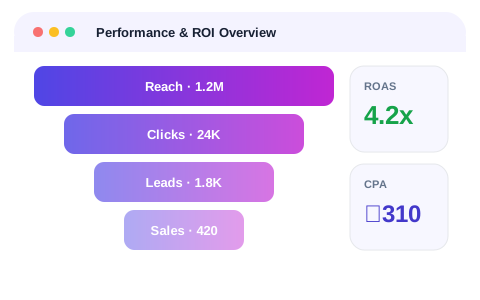
Owns campaign performance across channels, including ROI and ROAS, attribution, testing and growth strategy for leads and sales.
Indicative salary ranges in India; actual pay varies by experience, skills, city and employer.
Testimonials
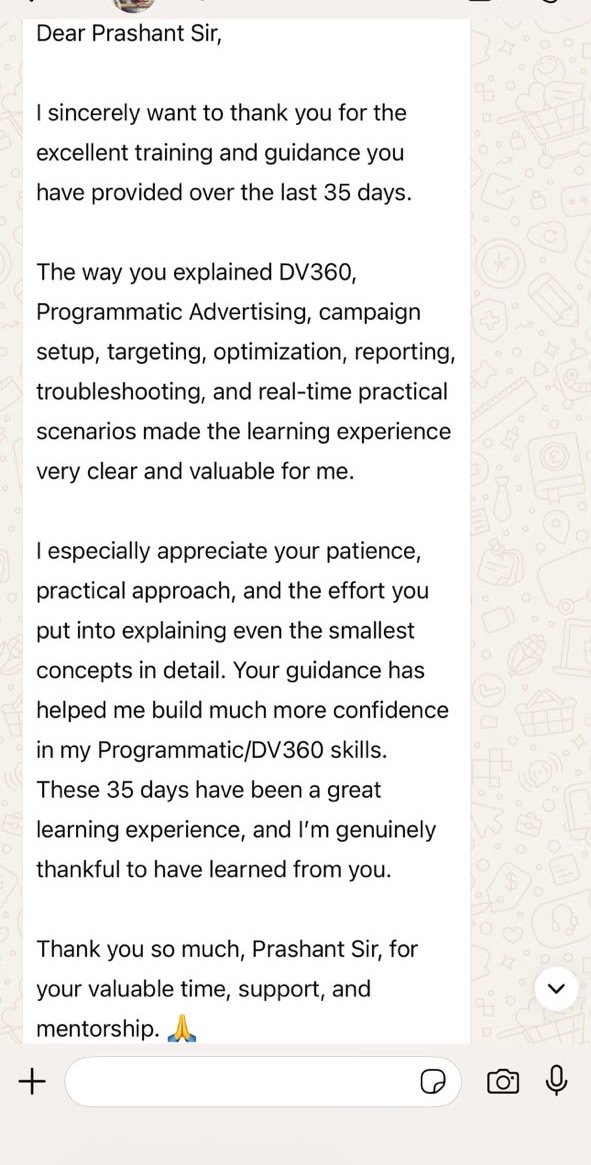
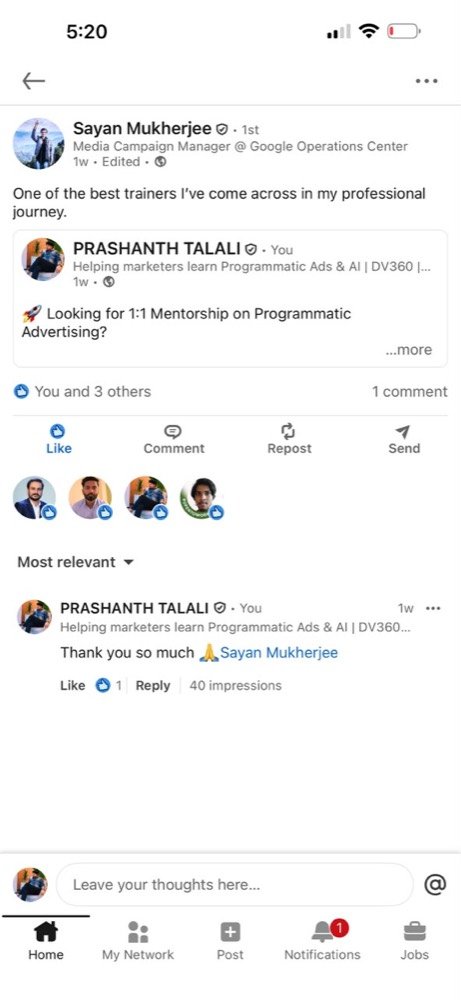
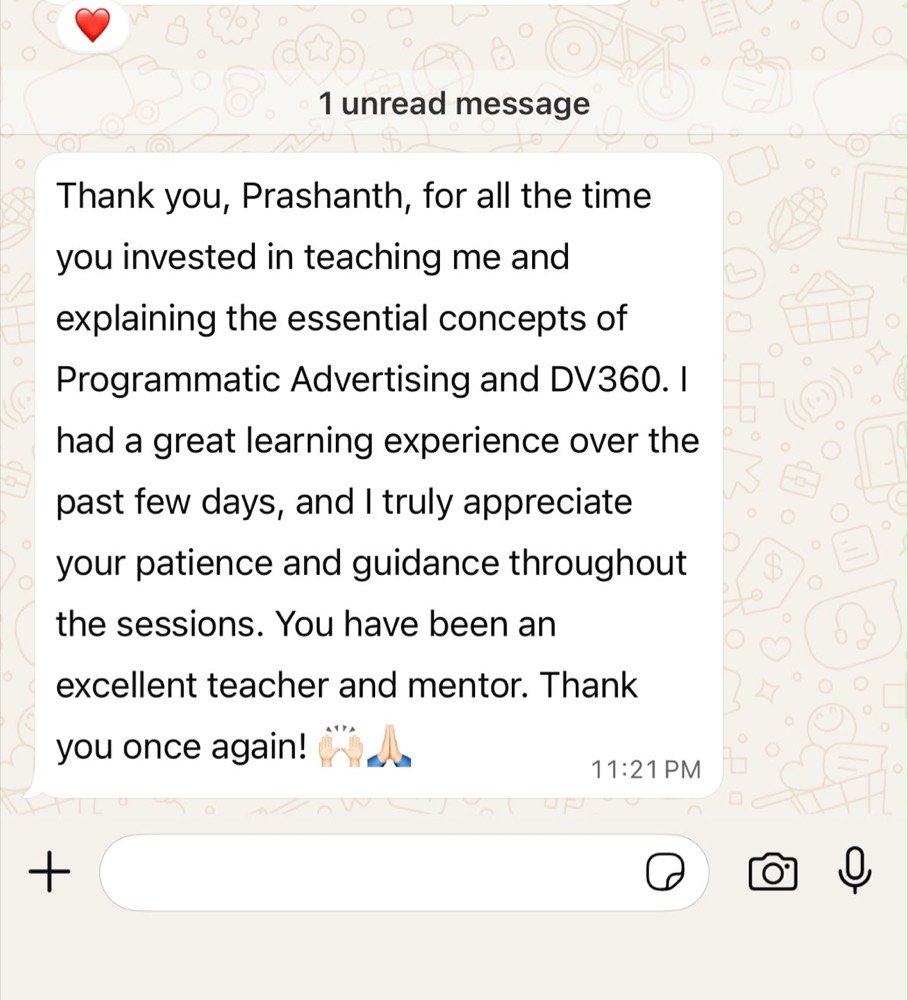
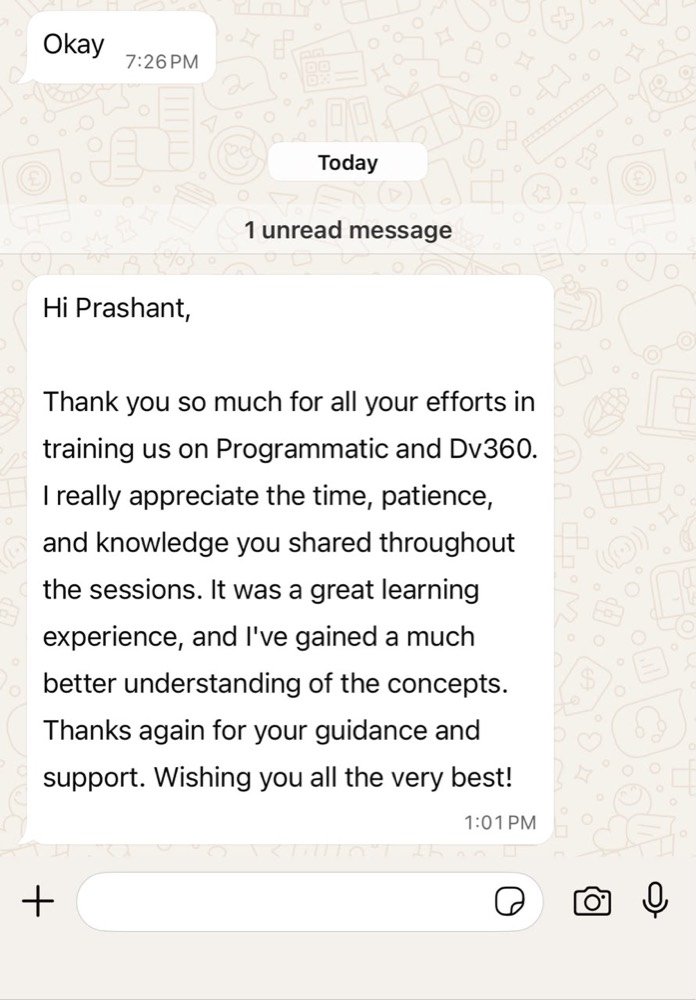
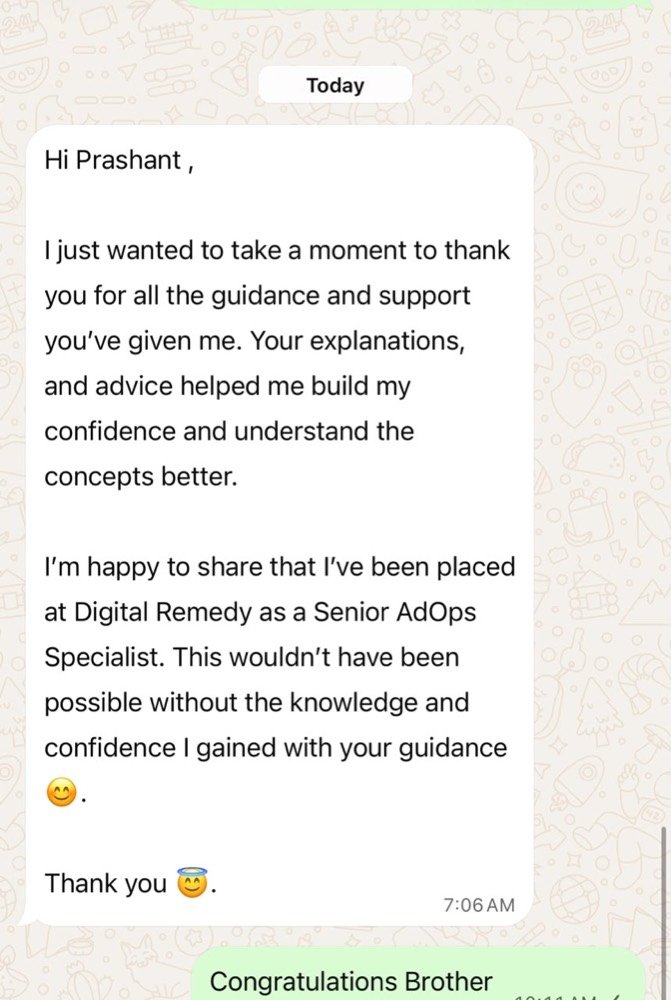
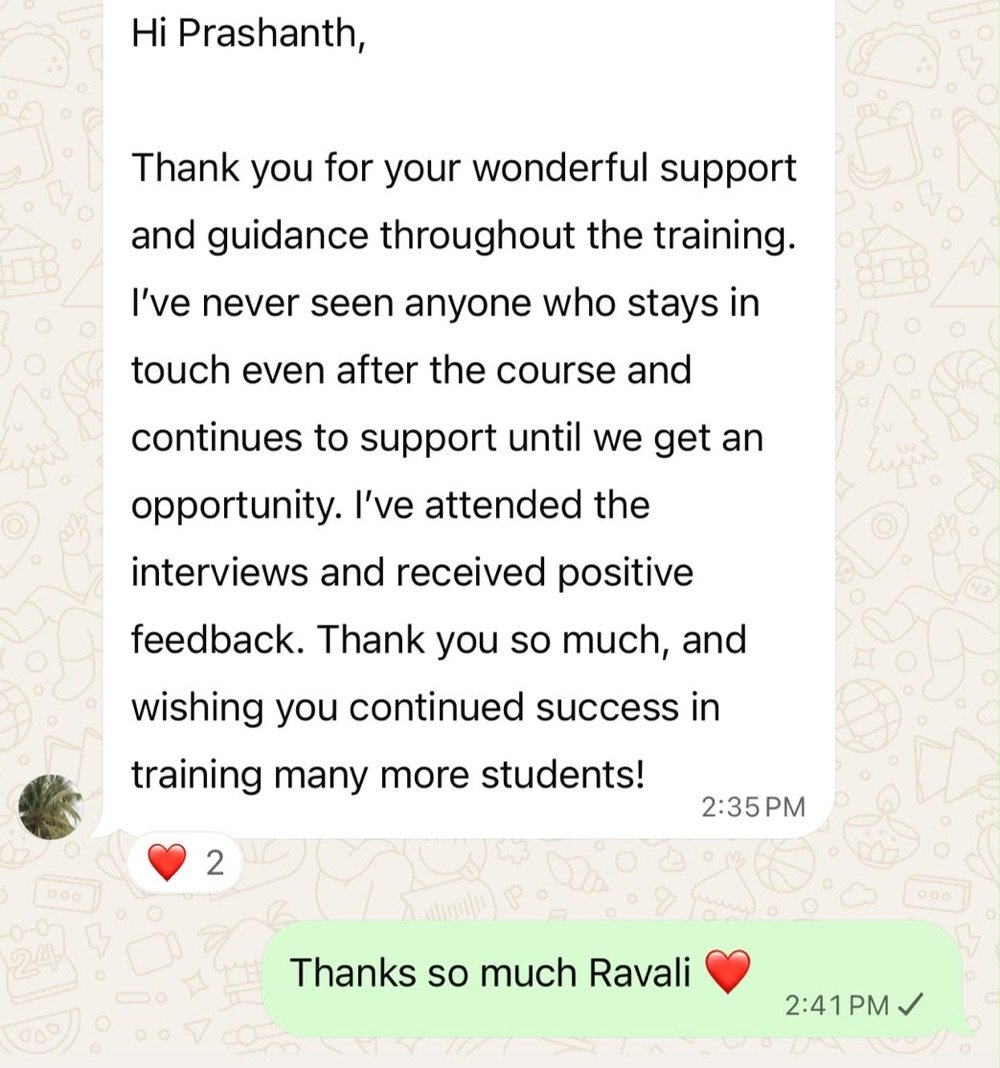
What Learners Say About Our Programmatic Advertising Course
Real messages from our learners — tap any review to read it in full.





Understand the Programmatic Advertising Ecosystem
The programmatic advertising ecosystem consists of multiple participants and technologies that work together to facilitate digital media buying.
Read More
1. Advertisers
Brands and organizations that want to reach audiences through digital advertising.
2. Agencies
Media and advertising agencies that plan, buy and manage campaigns for advertisers.
3. DSPs
Demand-Side Platforms help advertisers and agencies manage programmatic media buying, targeting, bidding and campaign activity.
4. Ad Exchanges
Technology marketplaces that facilitate the buying and selling of digital advertising inventory.
5. SSPs
Supply-Side Platforms help publishers manage and offer advertising inventory to potential buyers.
6. Publishers
Websites, apps, video platforms and other digital properties that provide advertising inventory.
7. Data & Audience Signals
Audience, contextual and other signals can help advertisers identify relevant advertising opportunities.
8. Measurement & Verification
Technology and measurement solutions help evaluate campaign delivery, performance and inventory quality.
Understanding the Programmatic Advertising Landscape
The programmatic advertising landscape includes the technologies, participants, inventory sources, buying methods and processes involved in automated digital media buying.
Read More
At a high level, you will learn how these components connect:
- Advertiser
- Agency
- DSP
- Exchange / Marketplace
- SSP
- Publisher
- Audience
You will also understand how concepts such as:
- RTB
- Audience targeting
- Programmatic buying
- Digital advertising inventory
- Campaign management
- Measurement
- Optimization
fit into the wider programmatic advertising landscape. This foundation helps you understand not just what each platform does, but where each technology fits within the complete advertising process.
Programmatic Advertising Concepts Explained
Programmatic Advertising Formats
Programmatic advertising can support multiple digital advertising formats and environments. The course introduces the role of:
Read More
Display Advertising
Digital display inventory purchased through programmatic buying technologies.
Video Advertising
Video inventory bought and delivered through applicable programmatic platforms and buying methods.
Programmatic Video Ads
Video creatives delivered through eligible programmatic advertising inventory.
Connected TV
Programmatic approaches to supported connected-TV inventory.
Other Digital Environments
Depending on the platform and inventory source, programmatic advertising can also involve mobile, in-app, native, audio and digital out-of-home environments.
See what you will actually learn
Programmatic Advertising Course Curriculum
Before joining, explore the actual course structure and learning material.
How to Become a Programmatic Pro
Follow this 7-step learning path to build programmatic advertising skills, from fundamentals and media buying to targeting, measurement and optimization.
01
Learn the fundamentals: understand programmatic advertising, the ecosystem, DSPs, SSPs and RTB.
02
Understand media buying: learn campaign objectives, audiences, inventory, budgets and bidding.
03
Build platform knowledge: see how programmatic advertising platforms fit into media buying.
04
Learn targeting and inventory: understand audience signals, inventory, formats and targeting.
Explore All 7 Steps
05
Understand measurement: learn how campaign performance is measured.
06
Learn optimization: see how performance data supports targeting, bidding and optimization.
07
Apply your knowledge: connect concepts through campaign planning and media-buying workflows, and explore roles such as Media Buyer, Programmatic Analyst or DV360 Specialist.
Learn Programmatic Advertising Through Practical Campaign Thinking
The course is designed around a practical media-buying workflow:
- Learn
- Plan
- Execute
- Measure
- Optimize
Read More
You will learn to connect:
- Campaign Objective
- Audience
- Inventory
- Buying Method
- Budget
- Delivery
- Measurement
- Optimization
This approach helps you move from understanding programmatic advertising terminology to thinking through actual campaign decisions.
How Do Programmatic Campaigns Work?
A programmatic campaign can be understood through seven key stages:
01
Define the Objective: Determine what the campaign needs to achieve.
02
Define the Audience: Identify the audience and relevant targeting signals.
03
Plan the Media: Determine formats, inventory, geography, budget and buying approach.
04
Set Up the Campaign: Configure the relevant campaign and buying settings.
05
Deliver the Campaign: Eligible advertising opportunities are evaluated and purchased through the applicable buying process.
06
Measure Performance: Review campaign delivery and performance metrics.
07
Optimize: Use campaign data to make informed changes to targeting, bidding, inventory, budget, creative or other relevant settings.
Target audience
Who Is This Programmatic Advertising Course For?
Built for professionals and students who want practical programmatic skills. Ideal for:
Prerequisites
- No coding or technical background needed
- Basic understanding of digital marketing helps
- Comfort with numbers and campaign data
- Curiosity to learn ad-tech tools and workflows
Read More
Is Programmatic Advertising Suitable for Small Businesses?
Programmatic advertising can be suitable for some small businesses when there is a clearly defined objective, audience, budget, relevant inventory and reliable measurement.
However, it is not automatically the right advertising approach for every small business. Suitability depends on factors such as:
- Campaign objective
- Audience
- Geography
- Budget
- Creative assets
- Inventory availability
- Measurement requirements
- Campaign scale
The important principle is to choose the media-buying approach that fits the business objective.
Knowledge base
Frequently Asked Questions About the Programmatic Advertising Course
Everything you need to know. Can’t find the answer? Feel free to reach out to our team.
Ready to Learn Programmatic Advertising?
Build a strong foundation in programmatic advertising, programmatic media buying, the AdTech ecosystem, DSPs, SSPs, RTB, audience targeting, programmatic buying, campaign management, measurement and optimization.
Learn the fundamentals. Understand the ecosystem. Build practical media-buying knowledge.